
The Power of Texture in Soft Furnishings
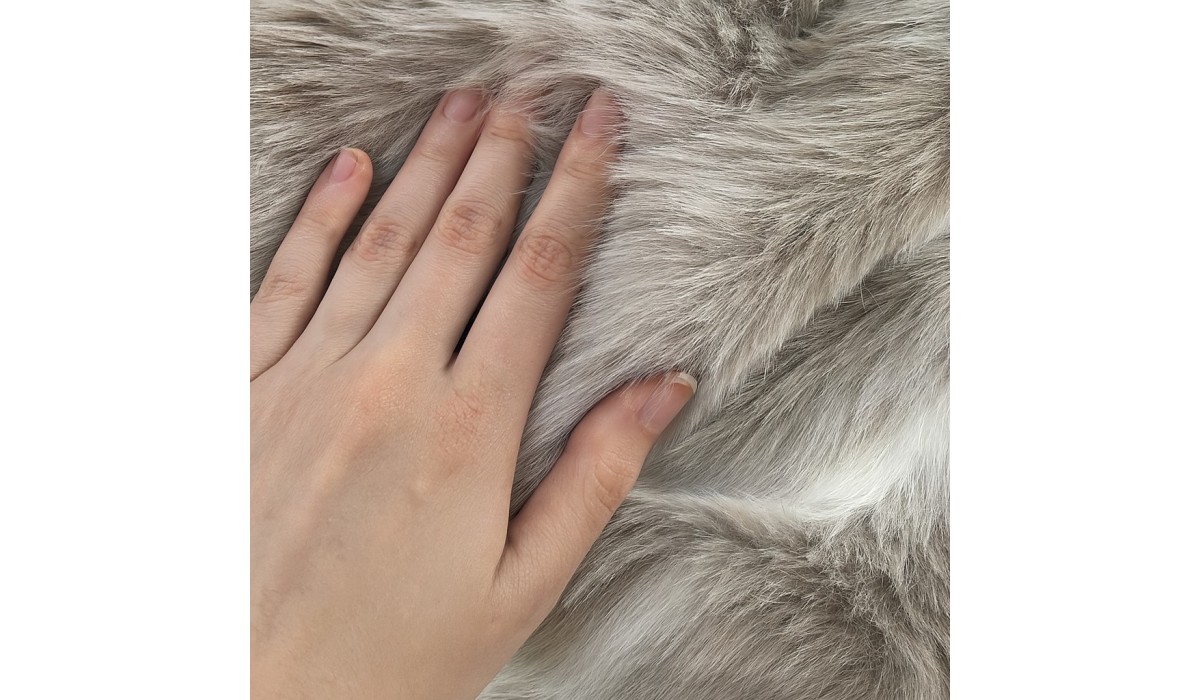
Texture plays a crucial role in interior design, adding depth, warmth, and personality to any room. While colour and layout often take centre stage, the tactile quality of soft furnishings can transform a flat, uninspiring space into a dynamic and inviting haven. Incorporating texture through items like cushions, throws, curtains, and rugs is an effective way to elevate your décor and create a visually balanced environment.
What Is Texture in Interior Design?
Texture refers to the surface quality of a material, which can be either tactile (how it feels to touch) or visual (how it looks like it would feel). For example, a velvet cushion not only feels soft but also appears plush and luxurious. Texture adds an extra layer of interest, helping a space feel multi-dimensional rather than one-note. In soft furnishings, texture can be used to evoke different moods, highlight focal points, or harmonize contrasting design elements.
The Role of Texture in Soft Furnishings
Soft furnishings are the perfect medium for incorporating texture into a room. From cosy faux fur throws to sleek silk curtains, each material brings its unique character to the space. Here’s how to effectively use texture in your soft furnishings:
- Creating Warmth and Comfort: Textured fabrics like wool, chenille, or faux fur add warmth and cosiness to a room, making them ideal for living rooms and bedrooms. A thick, chunky knit throw on a sofa or bed invites you to relax, while layered cushions in various materials enhance the snug ambiance.
- Adding Luxury and Elegance: Fabrics like velvet, silk, and satin exude sophistication and refinement. Velvet cushions or a satin bedspread can add a touch of glamour, especially when paired with metallic accents or rich jewel tones.
- Balancing a Room: If your space has sleek, hard surfaces like glass, metal, or polished wood, introducing textured soft furnishings can create balance. A shaggy rug or linen curtains soften sharp edges and make the room feel more welcoming.
- Defining Zones: In open-plan spaces, textured rugs and cushions can help delineate different areas. For example, a plush rug under a coffee table can anchor the living room, whilst padded dining seat cushions create a sense of cohesion in the eating area.
How to Layer Textures Effectively
Mix Materials: Combine contrasting textures to create depth and intrigue. Pair smooth, sleek materials like leather or satin with rougher textures such as jute, linen, or woven wool.
- Play with Patterns: Patterns can amplify the effect of texture. For instance, embroidered cushions or quilted throws not only add visual interest but also provide tactile variation.
- Focus on Neutral Colours: When using a variety of textures, consider sticking to a neutral colour palette to avoid overwhelming the space. This allows the textures to stand out without competing with bold colours.
- Seasonal Adjustments: Adapt textures to the season. Lightweight, airy fabrics like cotton and linen work well in summer, while heavier materials like faux fur and velvet are perfect for winter.
Practical Tips for Textured Soft Furnishings
1. Throws: Drape a throw over a chair or sofa to add both style and function. Chunky knits or faux fur are great for cosy vibes.
2. Rugs: A textured rug, such as shaggy or sisal, anchors the room and adds underfoot comfort.
3. Curtains: Heavy curtains like velvet or textured linen make a bold statement while softening natural light.
4. Cushions: Use cushions in different sizes and textures to create an inviting seating arrangement. Mix and match knitted, fur, velvet, and embroidered options.
Conclusion
Texture is a powerful yet often overlooked element of interior design. By incorporating a variety of textures through soft furnishings, you can create a space that is visually captivating and physically inviting. Whether you're aiming for a cosy, modern, or luxurious aesthetic, the strategic use of texture can take your décor to the next level. Experiment with different materials, layer textures thoughtfully, and enjoy the transformation of your home into a textural masterpiece.
Commenti
Nessun commento in questo momento!
Lascia il tuo commento